Avondale is farmed organically and biodynamically. No chemicals are used in the vineyards or in the cellar, nor are chemicals added to the grapes when they arrive at the cellar. All our fermentations are spontaneous and natural caused by the unique yeasts present on...
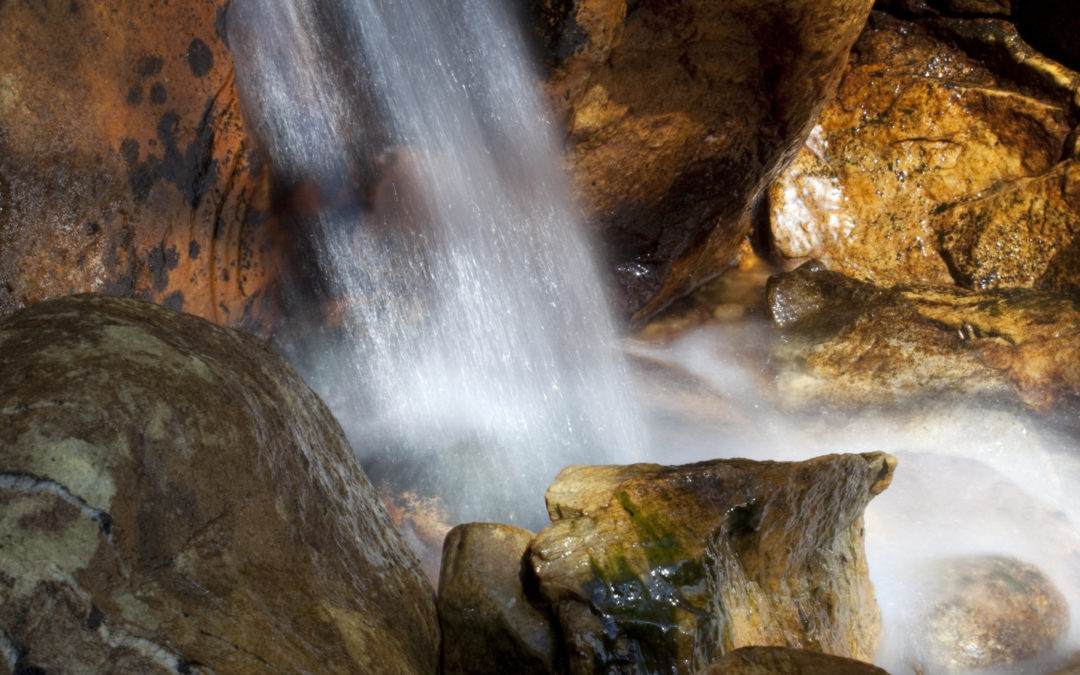
“Save Water; Drink Wine” they said. But what they didn’t say is how much water is used to make a bottle of wine. The industry average is 6 liters of water; but luckily here at Avondale this has been brought down to 2.5-3 liters of water per bottle of wine. This...
Recently Emirates Business Class customers had the opportunity to enjoy our white blend Cyclus 2013 on most long haul flights. An invigorating White Blend of Roussanne, Chenin Blanc, Chardonnay, Viognier and Semillon grapes, the softly wooded Cyclus swirls with...
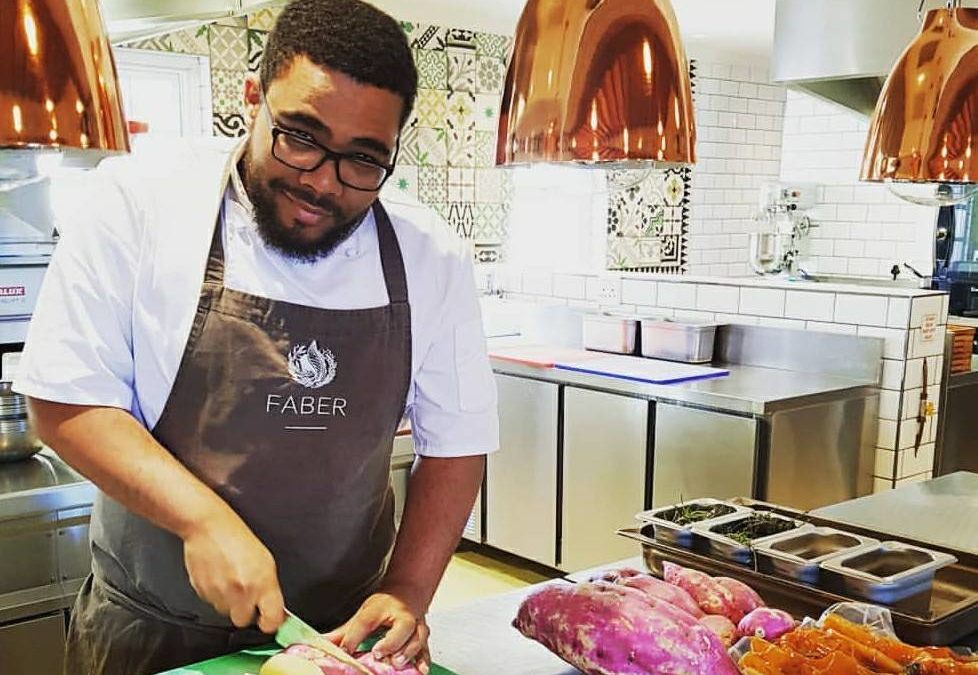
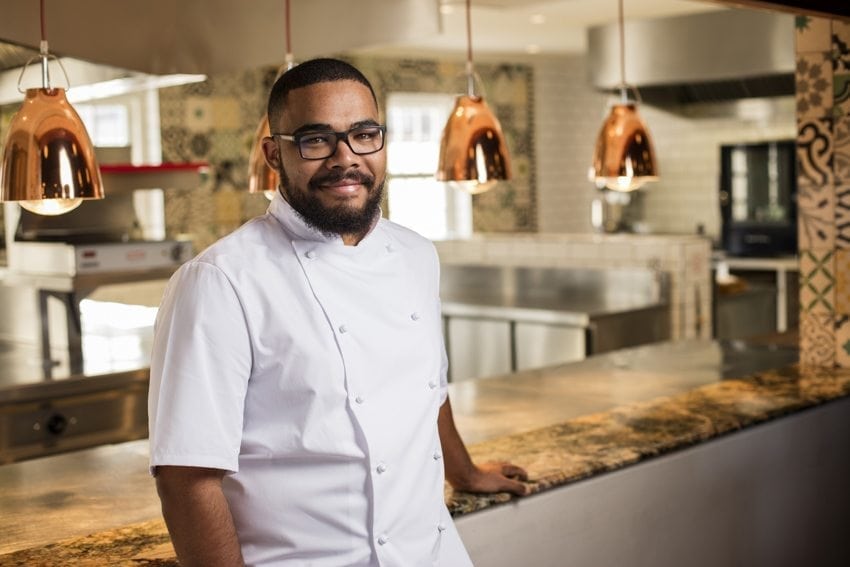
Chef Dale Stevens, the head chef of FABER, is a culinary craftsman. He describes his style as simple, seasonal, stylish and sensory stimulating. His focus is on 3 to 4 main components and intricately combining them to ensure they all stand out, but don’t overpower one...
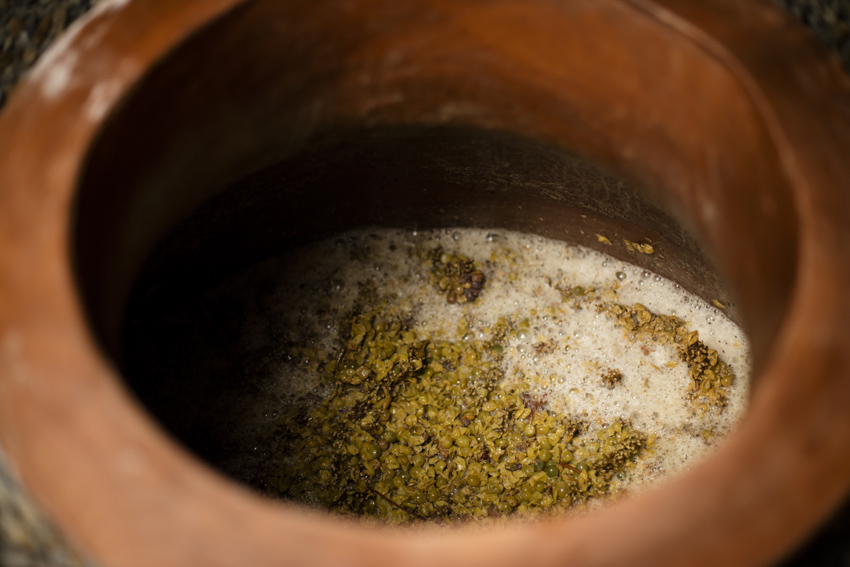
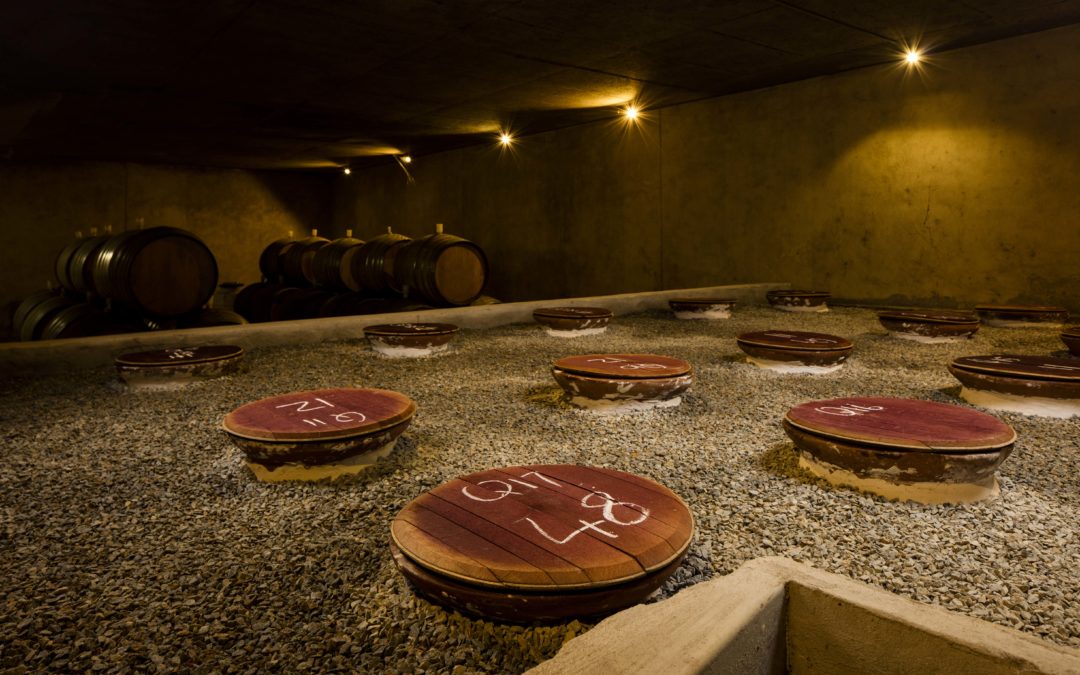
Avondale is the first winery in South Africa to introduce clay qvevri (pronounced “kwe-vree”) into the cellar. The United Nations Educational Organization defines a clay qvevri as: “The qvevri is an egg-shaped earthenware vessel used for making, ageing and storing...
As Autumn begins to settle in at the Cape, FABER Restaurant on Avondale Wine Estate welcomes in the season with extra enthusiasm with the news that Chef Dale Stevens is to take up the reins in the kitchen. FABER, co-founded by Chef Eric Bulpitt two years ago, who is...